.jpg)
The city centre remains the key locational preference for office workers; the most important factor for their ideal workspace was the comfort of work area
Location
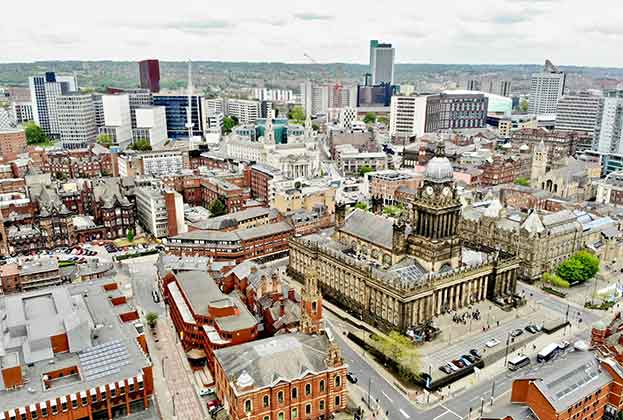
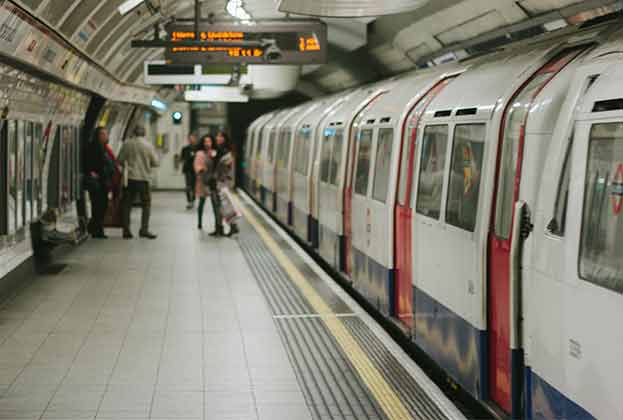
The city and town centre undeniably remains the key location choice for office workers. This was the case in every region surveyed and across all age groups. It is clear from the survey that office workers place high importance on public transport connectivity and proximity to amenities. The city/town centre is best able to cater for this demand, of course.
Layout
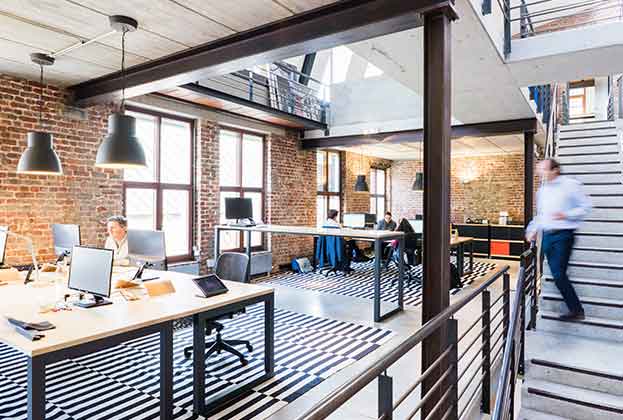
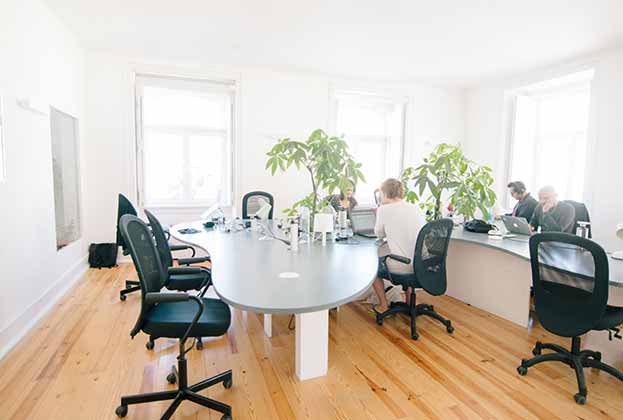
Open-plan offices are the dominant layout preference for occupiers with 80% working in this type of layout, which is the highest response level across Europe. It is clear, however, that office workers are not satisfied with the open-plan layout, and 45% of respondents believe hot-desking decreases their productivity.
Comfort
The most important factor for office workers for their ideal workspace was the comfort of work area with 92% of workers considering this important. However, only 48% are satisfied with the comfort of work area. Furthermore, 60% of office workers preferred to have their own dedicated desk. However, with hot-desking becoming more frequently adopted, occupiers need to find a balance between allowing staff to personalise their desk area whilst encouraging hot desking.
Input
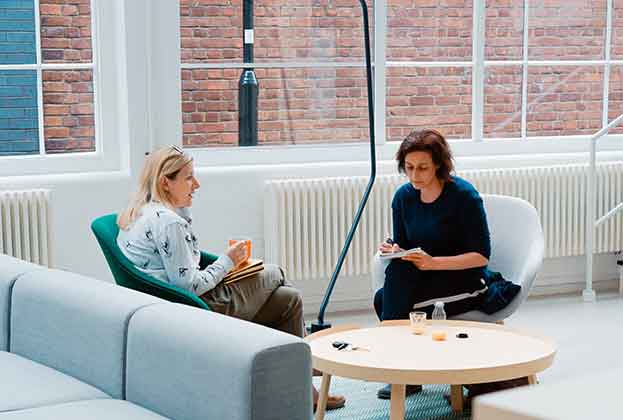
Office workers feel that they have limited influence on the design of their office – only 34% of respondents have been asked for their views on the office environment by their employer. If employees were consulted more thoroughly, this could have a seismic impact on their productivity. 65% of respondents believed that if the current design/ layout of their office matched their ideal workplace, this would increase their productivity.
Security
Security has risen in importance from the two previous surveys – 77% of respondents place high importance on the security of their office. Landlords need to ensure that tenants and their staff feel safe in their workplace.
Flexibility
Occupiers are encouraging their staff to work flexibly whether that be remote working or promoting hot-desking. However, a third of respondents believe the company they work for does not possess the relevant technology to allow them to work flexibly effectively. This would imply significant technological enhancements are required, otherwise, productivity levels could fall.
Technology
Landlords and tenants may be able to alter the perception of staff having less control of their workplace by using smartphone apps. This could result in staff becoming more productive if they feel they are more engaged with the building. However, the UK office worker has the lowest appetite for this type of app compared to other European countries in the survey.
Deliveries
The rise of online shopping has led to greater demand for parcel collection facilities. Only 27% of respondents were satisfied with the provision of parcel delivery/collection lockers at work. Occupiers and landlords need to consider how they can improve the provision of parcel lockers by potentially using redundant ground floor/basement space. Kerb-to-desk is an issue to deal with effectively.
Break-Out
Landlords and tenants need to ensure there are appropriate break-out areas or purpose-built cafés for their staff. 46% of respondents spend their lunch break at their desk. This could be caused by a lack of suitable eating areas in the building. Another potential cause is the rise of presenteeism where staff feel pressured to spend long periods at their desk.

Read the articles within Savills What Works Want Survey below.