.jpg)
The reasons to invest remain valid, but the anticipated recovery has been delayed by the pandemic
The retail warehouse investment market started 2020 with a spring in its step due to improving investor interest. The anticipated sale of £400m of Hammerson’s parks to Orion was expected to continue this trend and demonstrate where pricing for high-quality assets had reached against a background of greater faith in how sustainable ERVs were. Covid-19 has trampled on some of these green shoots, but some of the market fundamentals that were behind January’s optimism will still remain.
Even without the Hammerson deal, retail warehouse investment volumes in the first quarter of 2020 were 14% up on the same period in 2019. Q2 2020’s transactional activity will be sharply down on Q1’s £369m and this reflects a pause to assess the impact on the occupiers and their ability to pay rent and thus re-assess ERV levels where necessary.
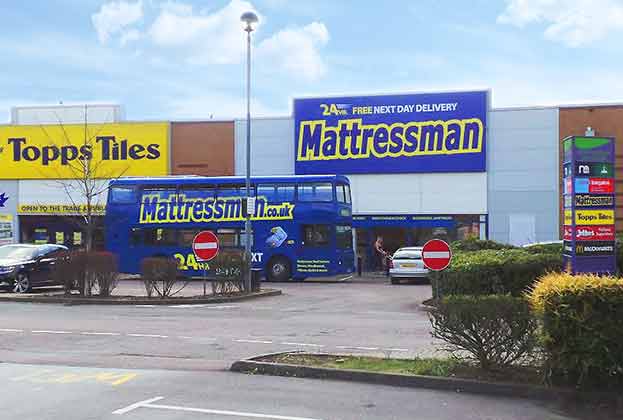
The pandemic has undoubtedly brought the questions of retailer covenant strength, void rates and ERVs back to the table. Erring on the side of optimism it is worth noting that a higher proportion of retailers on parks have remained open during the crisis than in shopping centres or on high streets. We also believe that retail warehousing, with its large units and car parks, is more social distancing friendly than other parts of the retail hierarchy, and thus should recover more quickly as lockdown subsides during June and July. It was the preferred retail sector for investors pre-lockdown and we expect this case to be enhanced coming out.
The pool of potential retailers in the sector has always been small, and this means that it is sometimes more susceptible to retailer failures than shopping centres or high streets. If consumer aversion to big-ticket purchases continues, then this will continue the strain on bulky goods and electrical retailers balance sheets in particular.
The story on rent and service charge collections at the end of Q1 should give investors some comfort, with the percentage collected being higher on parks than elsewhere in retail. We expect that this trend will continue through the next quarter day, though the overall it is expected to be worse than it was at the March quarter day. There is a heightened concern about the sustainability of ERVs, even at the levels they started this year, and more evidence will be needed over the next six months to support investment decisions.
With limited transactional evidence in April and May it is hard to be sure about pricing. However, we have continued to move our prime yields outwards for the sector and they now stand at 7.00% for Prime Restricted and 6.75% for Prime Open A1. In both cases, this represents a full 100bps softening since late 2018, and is one of the reasons why investor interest was starting to focus on retail warehousing at the start of the year. Open A1 yields are being supported by a belief in the performance of the discounters rather than fashion, and we expect this split to remain.
Looking ahead, we expect investment activity to pick up, driven by an appreciation of how attractive prime pricing has become, and an interest in repurposing or densifying assets. We do not expect that this will lead to a rise in capital values in the foreseeable future, but it will call the bottom for some segments of the market. The investor market was predominantly debt-led and clarity on rental levels and covenant strengths will be needed to provide comfort to the lenders especially for less prime stock.
Schemes that are dominant or convenient will be at the top of investor’s wish lists, and a foodstore on or adjacent to the scheme will provide an added degree of comfort.
Read the articles within Spotlight: UK Retail Warehousing below.