.jpg)
Are the stars aligning for controlled environment horticulture in the UK? Trade disruption, labour shortages, energy costs and climactic pressures are highlighting the strengths of sector and policymakers are taking note
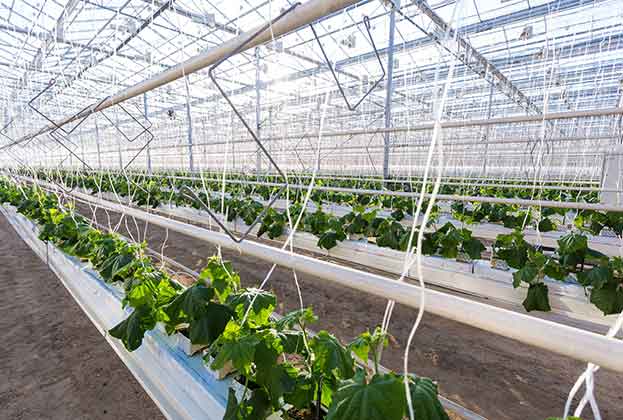
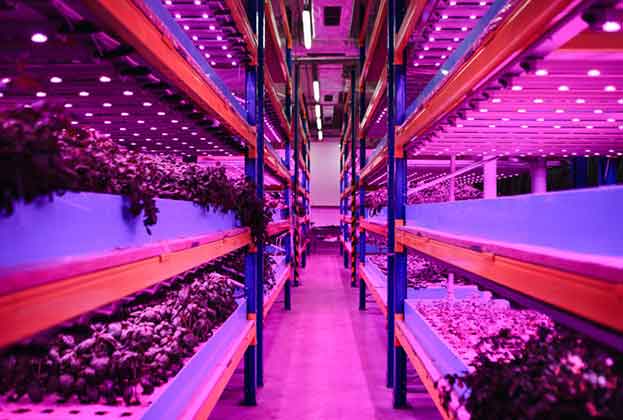
Aside from Brexit, there are multiple drivers pushing decision-making towards more efficient, technological methods of food production in the UK, such as that offered by controlled environment horticulture.
Policy
Globalisation is in retreat and reliance on imports and international supply chains is increasingly seen as a vulnerability. The Food Strategy White Paper released in June 2022 promised a subsequent horticulture strategy for England that included a focus on delivering glasshouses. The government does not envisage any significant leaps in output from conventional agriculture, meaning the burden of achieving a resilient food supply will, at least partially, fall upon the shoulders of high-tech horticulture. The forthcoming general election is likely to feature food security as a campaign point, with the Labour Party adopting a “grown, made and bought in Britain” mantra and promising that half of public procurement catering spend will be on locally grown produce. Such a pledge is likely to require an increase in the planted area under protection (see 'Achieving potential' chart).
Controlled environment horticulture systems are a way of at least partially insulating against climate change and its impacts, such as those experienced by Spain and Morocco
Andrew Teanby, Associate Director, Rural Research
.jpg)
Labour
The food strategy states the “skilled worker visa route will allow skilled professionals from overseas to bring their expertise to the UK in developing this sector”. This marks at least a partial departure from the controversies of the seasonal worker visa, arguably seeking to reduce the need for seasonal labour given the focus on automation and the alternative skill set required to install and operate modern controlled environment production systems.
Greater levels of automation within newer, larger units naturally reduces labour requirements. The additional control, particularly within vertical farming systems, results in more prolonged or even continuous growing windows, dramatically altering the nature of the labour requirement. Within this sector, the demand for seasonal work will fall, but the persistence of older units means it will not disappear entirely. A functional seasonal worker visa will be required.
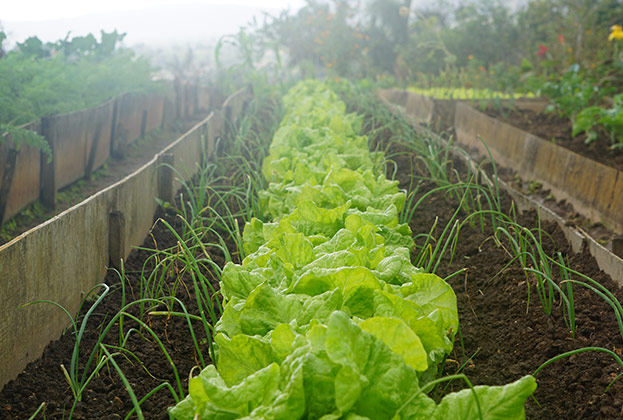
Alternative horticultural models, such as community-supported agriculture or even allotments, may partly shift the supply of labour from dedicated employees to the consumer themselves. While likely limited in scope, involvement of the consumer within the process leads to a variety of social benefits including improved health and better education around food supply.

Consumers, food and health
While the potential for enhanced nutrition is not explicitly linked to horticulture in government policy documents, it is a realistic possibility that will contribute towards government objectives set out in the food strategy and seems to be a focus of Labour Party thinking on food policy. The food strategy aspires to see “government and industry working in partnership on a shared endeavour to promote healthier diets”.
Imports allow UK citizens to access out-of-season and alternative fruit and vegetables that undeniably contribute to an enhanced diet. Promotion of domestic horticultural production in conjunction with facilitating fresh, local supply will enhance that effect. In many cases, harvesting food locally permits better development of the crop, yielding improved nutrition and flavour.
Climate
Controlled environment horticulture systems are a way of at least partially insulating against climate change and its impacts, such as those experienced by Spain and Morocco. The greater the control, the greater insulation against those impacts.
The technology is also able to reduce instances of undesirable environmental practices. Previous Savills research (see Spotlight: agri-food sustainability) demonstrated that 77% of fruit and vegetable imports originate from nations that have worse environmental impact scores than the UK.
Read the articles within Spotlight: Controlled Environment Horticulture below.