.jpg)
The competitive advantage for glasshouses lies in energy solutions, modern climate control, automation and scale

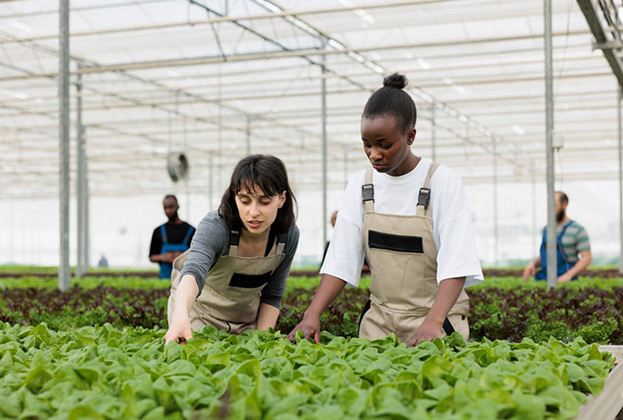
Glasshouses have evolved rapidly. Newer structures have lower labour requirements, efficient heating systems and larger scale when compared to older developments. The difference in past and present design means retrofitting modern necessities to older designs, such as automated bench systems, is often difficult or ineffective.
The scale of the opportunity
The inherent scale of the structure itself is crucial for modern facilities. For example, older structures will have lower eaves. Formerly, these have been sufficient to grow taller crops, such as tomato plants, without incurring unnecessary heating costs. Now and in the future, higher eaves may be required for the installation of additional climate control apparatus, such as ventilation. The additional heating requirements are offset by more energy-efficient buildings and additional yield gained from more precise environmental control.
If immediate investment in large scale structures is not possible, investors should look to secure a site with the capacity to expand facilities at a later date
Andrew Teanby, Associate Director, Rural Research
Achieving this physical scale is rendered more difficult in the current climate due to the inflation in the prices of steel and glass. CambridgeHOK, a glasshouse build contractor, advised that glass and steel costs rose 10% to 20% in the first six months of 2022.
Only now are prices showing the early signs of stabilisation. If immediate investment in large-scale structures is not possible, investors should look to secure a site with the capacity to expand facilities at a later date. The chart, below, demonstrates how the demand for produce from glasshouses is unlikely to wane.
For example, to offset imports of tomatoes, the planted area must increase by more than 150%. If tomatoes are to offset imports and contribute to achieving five-a-day to the same degree they contribute to current consumption rates (adults currently consume 3.6 portions of fruit and veg on average), that planted area must increase by 222%.
Energising glasshouses
As protected horticulture has developed, growers attribute more importance to the growing conditions. Where frost protection was once the predominant concern, large-scale growers now attempt to control and optimise all elements, including temperature, humidity and carbon dioxide levels. Each element demands energy and therefore cost and so measures to mitigate this are essential.
Historic arrangements for procuring energy have been challenged by recent energy reform and the energy crisis. Partnerships between energy providers and glasshouse operators were mutually beneficial but relied on the Renewable Heat Incentive (RHI) to mitigate costs, which is no longer an option. Horticulture has not benefited from any kind of dedicated energy subsidy during the ongoing energy crisis. The government is considering incentives to encourage the “use of surplus heat and CO2 from industrial processes and renewable sources of energy”, yet no further detail has been revealed.
However, a partnership approach to procuring energy still adds value to the glasshouse unit, insulating against fluctuations in prices, such as those that have been more recently observed. Reducing the volatility in this key cost helps protects margins, improving the businesses' resilience and, in turn, value. Investors may well wish to pursue this model without the aid of subsidy, but will face a higher upfront capital cost. In a Savills Research model, co-siting an energy centre with a glasshouse increased build costs by 44% over a standalone glasshouse development.
The future energy partnership approach will rely on co-location with sources of waste heat in order to secure cheaper energy and retain positive environmental credentials. This will incur some challenges. For example, the location of glasshouses will be increasingly outside of traditional horticultural areas and planning policy will need to be supportive. The pricing strategy under a co-location model is unlikely to alter from the model established under the RHI. The horticulture business will enjoy a discount relative to grid prices and the energy provider will find a user for and earn additional income on heat energy that many sites currently vent. Developers should consider the potential strength of this position in negotiations, with the option to seek out other providers of waste heat looking to monetise waste streams.
Fossil fuel heating is arguably still an option, financially speaking. However, supermarkets are increasingly scrutinising their whole supply chain to analyse the environmental impact of their suppliers’ processes. Supermarkets will place more weight on environment, social and governance (ESG) criteria in their selection of suppliers. Instances of potential purchasers deferring investment due to poor ESG credentials are already known.
OLD BUT GOLD?
Older glasshouses can still make for attractive investment opportunities. Low eaves may prevent tall crops such as tomatoes being grown, however there are numerous other options, such as bedding plants that are in high demand. These are often seasonal, reducing the demand for year-round heat.
Older glass does not necessarily need to be replaced, providing it has been well maintained. Investors should continue with efficient maintenance, only replacing those panes that require it and keeping all glass clean in order to enhance light levels and therefore yield.
Certain sites will be more adaptable and could be upgraded, such as replacing fossil fuel heat with biomass or retrofitting screens or automation. Consider whether a site has room for expansion. The existing presence of a horticultural site will often work in favour of future planning applications.

Attracting new investment
The horticultural business model is perhaps unfamiliar to investors more accustomed to conventional asset classes within property. Yet the sustainability benefits of controlled environment horticulture, combined with healthy yield opportunities, are difficult to overlook.
A glasshouse must embrace and promote its environmental benefits in order to secure new investment. While securing a supply of waste heat is essential to profitability, the outright consumption of energy within glasshouses is an Achilles heel of the sector if not correctly operated and promoted. Combined Heat and Power (CHP) might be a solution; fuelled with sustainably sourced biofuels, this technology can provide both heat and electricity to the operation and contribute to the greening of the grid and investors’ portfolios.
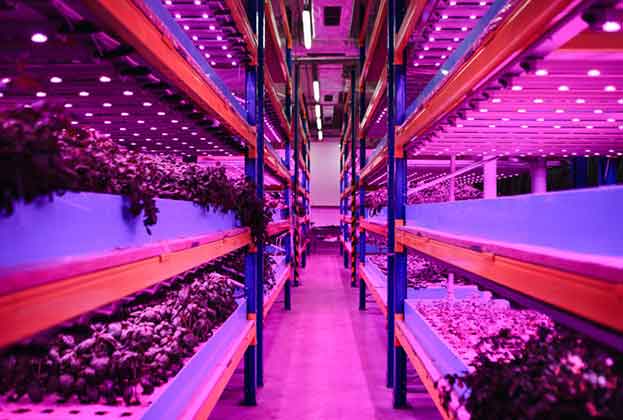
Growing systems themselves are highly efficient, particularly as hydroponic systems are increasingly incorporated into glasshouses. Such systems ensure the correct concentrations of nutrients and minerals are delivered to crops and reduce water consumption by between 70% and 90%. Contrary to popular perception, additional lighting is only needed to promote certain crops, such as strawberries or tomatoes, strawberries or tomatoes, where lighting can extend the growing season and therefore better cater for domestic demand. Where needed, LED systems reduce electricity and cooling demands due to their higher efficiency.
Environmental performance is not the only barrier to investment though. Up to now, the potential covenant strength of lease agreements with glasshouse operators has proven to be a barrier to investors. As glasshouses tend towards larger scale, these barriers are expected to diminish and leaseback or ground rent agreements could emerge, further fuelling the growth of the industry.
Read the articles within Spotlight: Controlled Environment Horticulture below.